
Although it may be incomplete to describe Radu Gode as “the Ruben Östlund of the late-period Godard crowd,” few other descriptions might so immediately answer whether or not Romania’s most prolific provocateur suits your taste. Both directors, who thrive on misrepresenting the class divisions of modern Europe, display key differences in their parody styles – Eastern versus Western focus, large-scale production versus more intimate settings, and straightforward narrative structuring versus experimental structure. But the biggest difference between the two is that Östlund’s satirical comedies are actually funny.
That distinction largely applies to Judd’s first film of the year, “Continental ’25,” but in all fairness, it would be difficult for a film with this premise to approach its material with a comedic bent. Judd, ever the instigator, will try anyway, but what will make this an absolutely compelling film is the restraint with which he continues to show his flaws as a satirist. Perhaps it’s the seriousness of this show that has motivated him to pare things down even more than usual (read: keep the film’s essays to a minimum), but the director’s critical eye will be as perceptive (or, more often, dull) as ever.
“Continental ’25” begins as a near-silent odyssey through the daily journeys of a homeless man (Gabriel Spahiu) living in Cluj, and will spend a full ten minutes revealing the hardships of homelessness in an indifferent environment before Judd makes a patented switch to the perspective of the bailiff responsible for his eviction from the basement of an apartment complex — imagine the first act of “Bad.” “Lucky Banging or Looney Porn” if it actually amounts to anything.
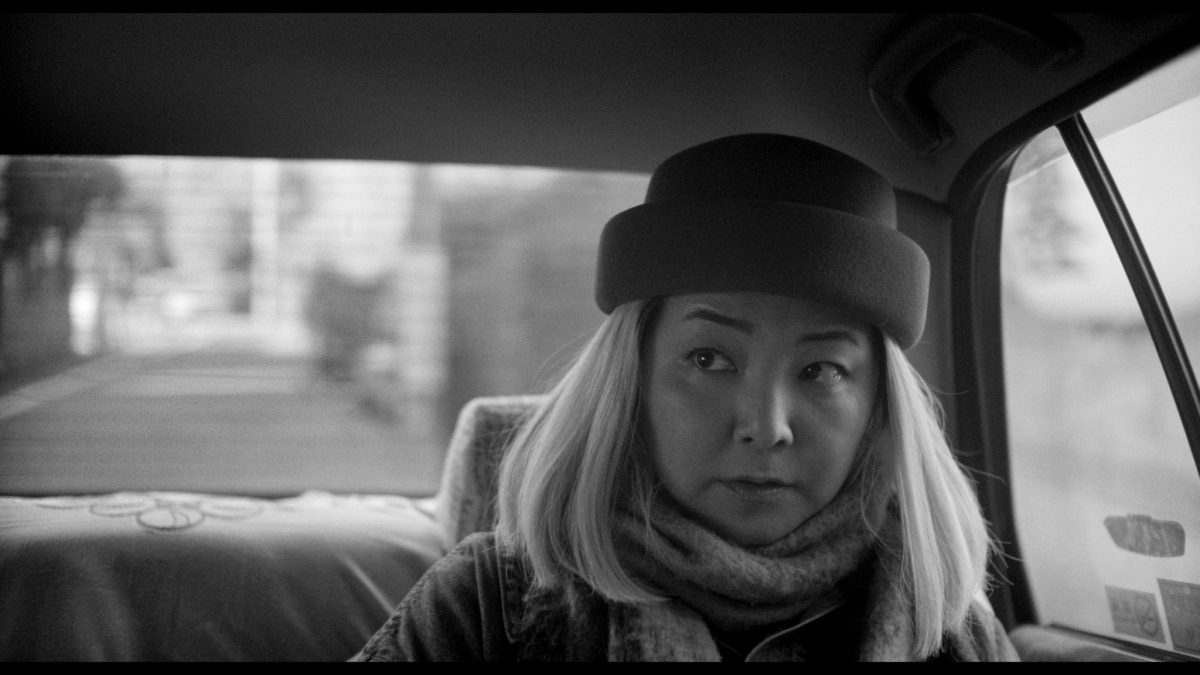
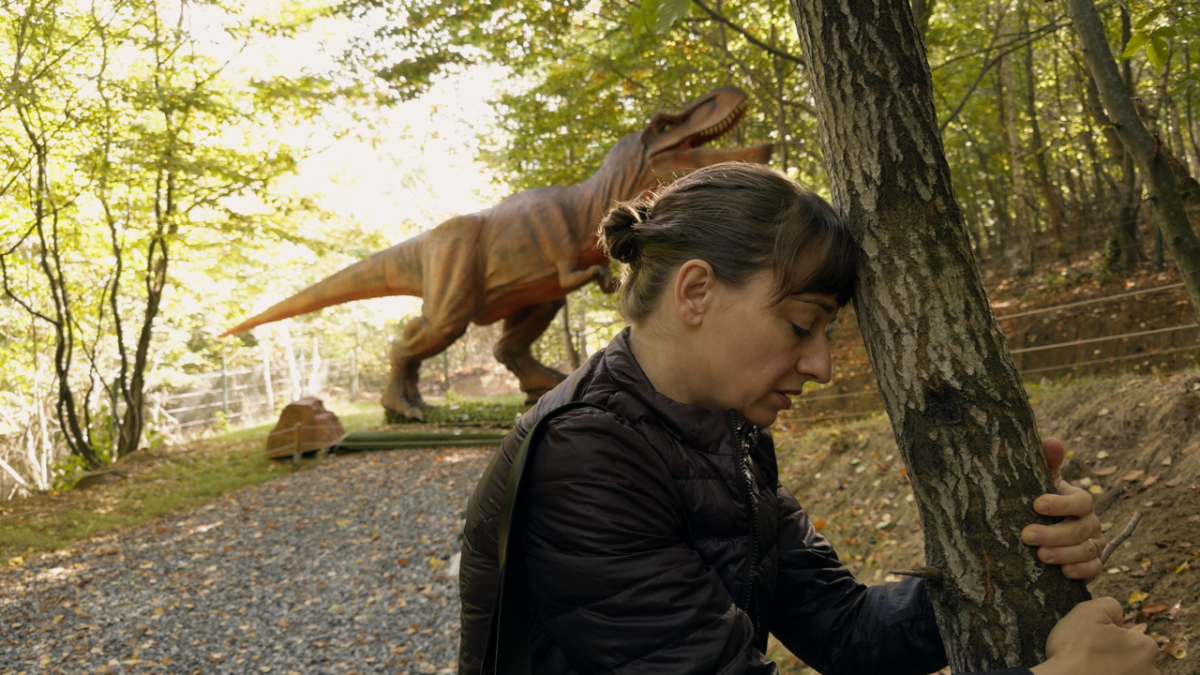
This shift in perspective comes when the homeless man gets a brief respite to gather what few belongings he has, instead taking a moment of solitude to wrap a noose around his neck and end it all. Now, Ursulia (Eszter Tompa) is left burdened with guilt over her indirect responsibility for this man’s tragic suicide. The law stipulates that her hands are clean, but nothing can shake the feeling deep in Ursulia’s soul that she could have, or should have, done something differently.
Read also: 10 Essential Roman Films of the Decade (2010)
The foundation of this search for closure comes in the form of a series of conversations that Ursulia will have over the course of the film, leaving “Continental’25” more streamlined in its structure than a typical Judd case, but no less insightful in where that structure leads. A husband, a colleague, a mother, a former student, a priest—all confessors of the same story we will hear told ad nauseam, but each different response will do nothing to hide the creeping feeling that Ursulia’s feeling of guilt is almost an idol.
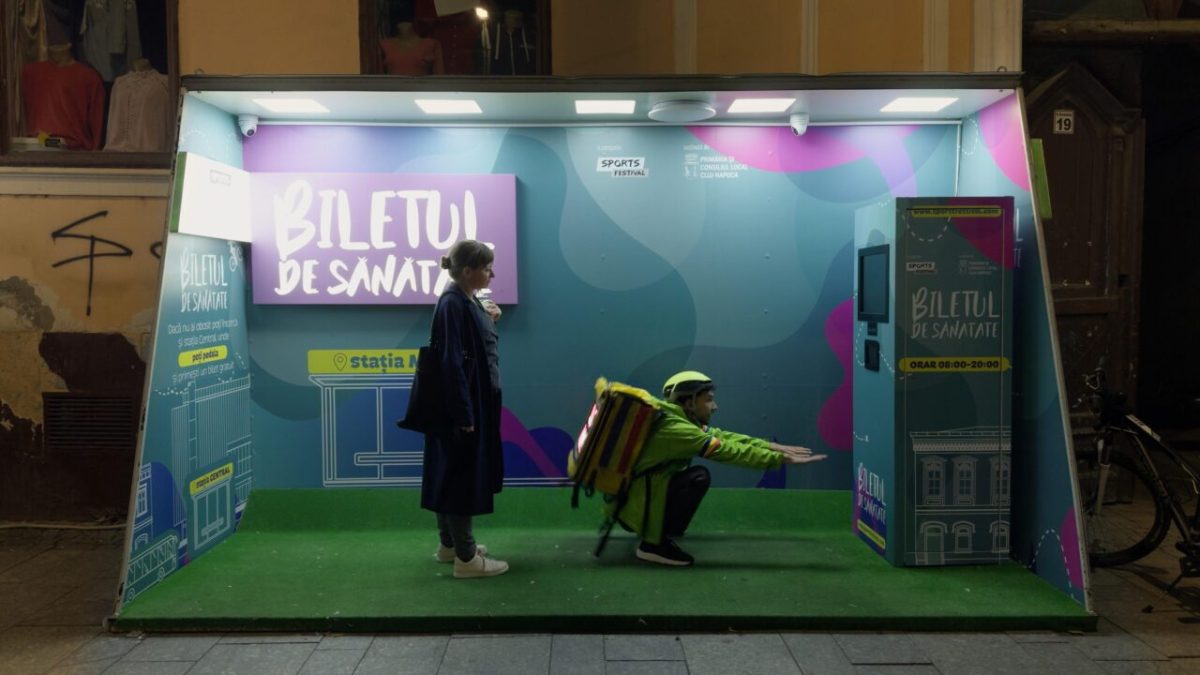
This, to some extent, is the essence of the political critique that Judd offers, as he criticizes neoliberal complacency in the solipsistic framing of how you feel about another person’s suffering. It’s not a point not worth discussing, nor does it seem too far removed from the current state of political activism in the age of social media. At the same time, it is difficult to endure these monotonous conversations and to extract from any of them some sort of idea which has not been discovered on any other occasion treating similar social ills.
“Continental’25,” as is typical for Judd, confronts the volatility of its actual criticism with a saturated context within his native Romania, which comes to light starkly here in intermittent musings on the country’s Hungarian ethnic minority and their social mistreatment. It’s an interesting batch of social commentary made all the more compelling because Judd doesn’t overdo it — or rather, delivers it in his usual acerbic voice that only casually fits here in our current Internet context. Xenophobic comments that were once a laughing stock to be ignored between spouses suddenly take on a whole new connotation when they are used as a weapon against the perpetrator of systemic discrimination.
For all the insights Judd leaves us to learn, it would be nice if “Continental ’25” didn’t carry the director’s penchant for annoying his craft. In a way, it’s impressive to see he’s still able to bother with such minimal resources, but Marius Panduru’s iPhone-shot compositions become too liberal with wobbly AF, to the point where “contemporary minimalism” begins to masquerade as “don’t try.” However, it’s about the level of impudence we’d probably expect from a director who finds great humor in simply pointing his camera at a mural that says “ENJOY CAPITALISM” written in Coca-Cola letters.
It is precisely this kind of *brilliant* insight that leaves “Continental ’25” struggling to strike a conclusive note in a narrative journey that finds its greatest tragedy — and greatest (attempted at) joke — in the refusal of a comfortable conclusion. Radu Jude, then, chooses to end on a more contemplative note, which on its own note would likely have more impact were it not for the montage that has apparently appeared in at least two of the director’s previous outings (at least, his icy sense of pacing certainly makes it feel that way). However, in this context, the setting more or less matches the final sentence, even if the final result is unlikely to elicit more than a polite smile.