Dhanush is an accomplished actor, so he can now focus on learning about other departments of filmmaking. He now explores storytelling and directing as natural extensions of his artistic journey. “Idli Kadai” (“Idli Shop”, 2025) begins on a personal note from Dhanush, as he reflects on memories of his native village – a gesture that immediately anchors the film in something warm and personal. The premise, at its core, is full of nostalgia and a sense of quiet comfort. But while the idea is immediately appealing, expanding it into a full-fledged feature presents a much more difficult creative challenge.
The narrative follows Murugan (played by Dhanush), a man who leaves his hometown in search of a better life, gradually losing touch with his parents, his roots, and even the traditional craft of making idlis (a Tamil breakfast staple). When tragedy forces him to return home, he inherits his late father’s humble shop in Idley. While rebuilding, he faces competitors determined to destroy not only the store but also his sense of belonging.
Dhanush’s directorial debut with ‘Power Paandi’ (2017) was an unexpectedly tender film about aging and love. A film with cinematic grace and emotional frankness. While his later projects failed to strike his debut’s balance of warmth and craft, Idli Kadi (2025) feels like a deliberate return to his comfort zone: small-town characters, moral clarity, and familial connections wrapped in emotion. With the success of ‘Thiruchitrambalam’ (2022), which has now become ‘Idli Kadai’ (2025), Dhanush may be on his way to creating an unofficial ‘Feel-good Dhanush’ trilogy.
However, the narrative feels dated in this film, much like a film made in the early 2000s, echoing the emotional simplicity of Frank Capra or the gentle dramas of Nancy Meyers. The structure is predictable, and the script relies on traditional emotional arcs. However, Dhanush compensates through casting. Almost every performance feels authentic rather than ornamental. The band, many of whom have previously worked with Dhanush, exudes live intimacy. Their grounded presence brings texture where the writing sometimes falters.
There is a surprising emotional thread running between Murugan and a calf – named after his father. Convinced that the animal is the reincarnation of his father, Murugan attempts to bond with him. When the calf finally accepts him, the film reaches one of its few truly touching moments. This gives the story a spiritual touch. These subplots may be predictable, but director Dhanush presents them with enough honesty to make them feel emotional. This kind of emotional honesty is common elsewhere in the film, but it’s most poignant here.
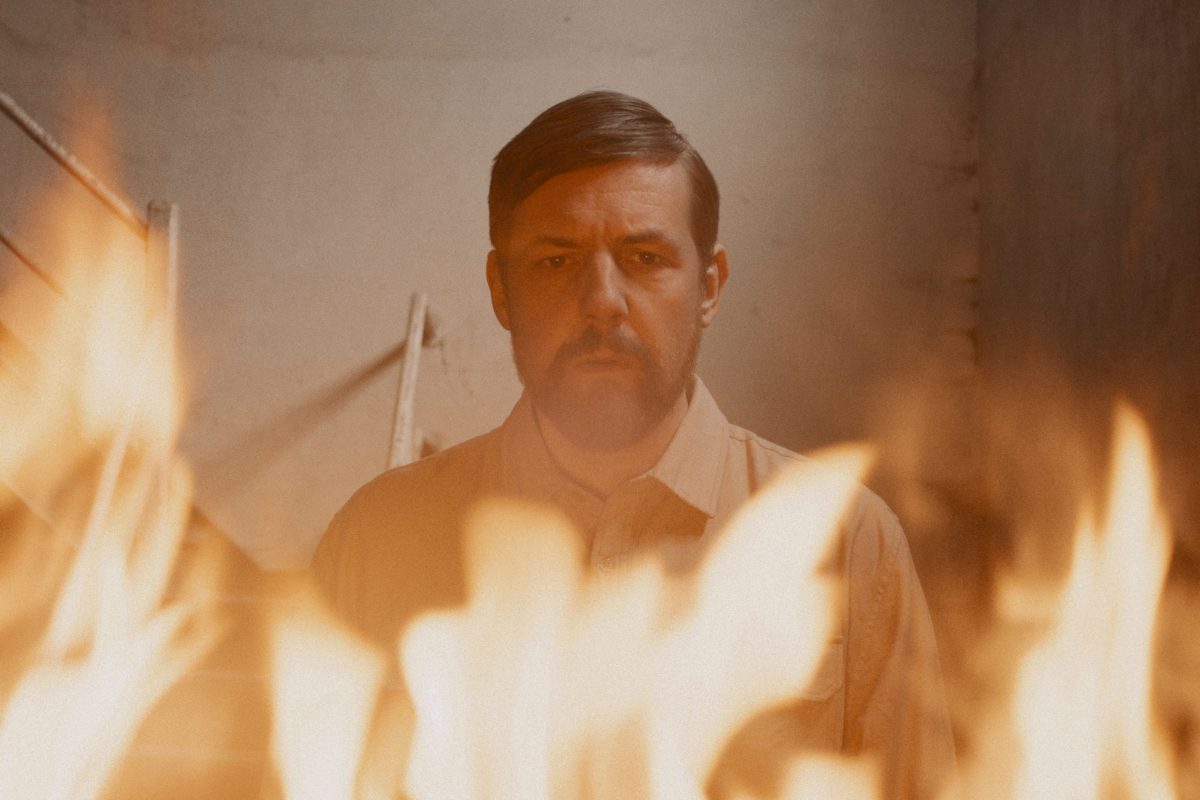
Murugan’s father (played by Rajkiran) believes in peace and harmony. In his lifetime he was seen as a wise and hardworking man. His extreme stubbornness in believing in traditions and customs makes it difficult for him to adapt to technology. When the Idli shop, Murugan’s only property, burns to ashes, he thinks about his father’s ideology. There is no point in taking revenge.

Read also: 15 Indian films about a broken family
“All lost materials can be recycled or bought back, but not human life,” he says. I feel this message is important. Even though it is very familiar and has been told a million times by millions of people in a million different ways. They should continue to be chanted until world peace is guaranteed for all. Good values such as not harming others, respecting elders, paying more attention to families, setting boundaries for work-life balance, not forgetting one’s roots, patience, and tolerance are some of the distinct themes found throughout the film.
Nithya Menon once again plays the role of the caring, naive and innocent partner who stands firmly by her man. It’s a role she embodies with ease, but one that’s now close to being repeated. If her character had been written with nuance, she would have commanded the screen with her natural presence. However, her warmth adds an undeniable tenderness to the film. Meera (played by Shalini Pandey), despite her limited screen time, leaves a strong impression with her spontaneity and charm.
Parthiban’s portrayal of the local inspector provides a pleasant surprise. Separation from Tamil cinemaA long-standing trope of the corrupt cop, he imbues the character with a little moral core – a quiet morality that humanizes him. The film’s central twist, in which he challenges a millionaire antagonist, becomes one of the few instances where ‘Idli Kadi’ deviates from predictability, allowing the story to breathe with renewed tension and grace.
In ‘Raayan’ (2024), Dhanush’s direction suffered a bit from the amateurish performances of a few first-time actors. This deficiency seems to have been rectified in Idli Qazi (2025), where the performance is more assured and coherent. However, the film’s music and background score failed to reach the emotional depth and vocal richness that AR Rahman brought to ‘Raayan’ (2024). The film feels as if it reached its natural conclusion during the intermission. Extending it beyond this point risks stretching its emotional arc. The same pacing issue that affected “Captain Miller” (2024).
However, unlike “Captain Miller” (2024), “Idli Kadi” (2025) cleverly pivots halfway through, shifting the focus slightly from its protagonist while still circling it through multiple antagonistic threads. It creates a faint sense of curiosity about who will act next, and why, even if the plot remains modest. Idli Qazi (2025) ultimately stands as a film more about intention than innovation. Dhanush’s narration here is soft-spoken, sentimental and uneven at times, but never insincere. His vision of the good—kindness, tolerance, and cultural roots—may seem old-fashioned, but it is precisely that simplicity that gives the film its unassuming charm.
“Idly Kadi” (2025) is predictable yet pure, leaving no cinematic climax behind; Instead, it leaves a quiet warmth, the kind that lingers long after the credits.