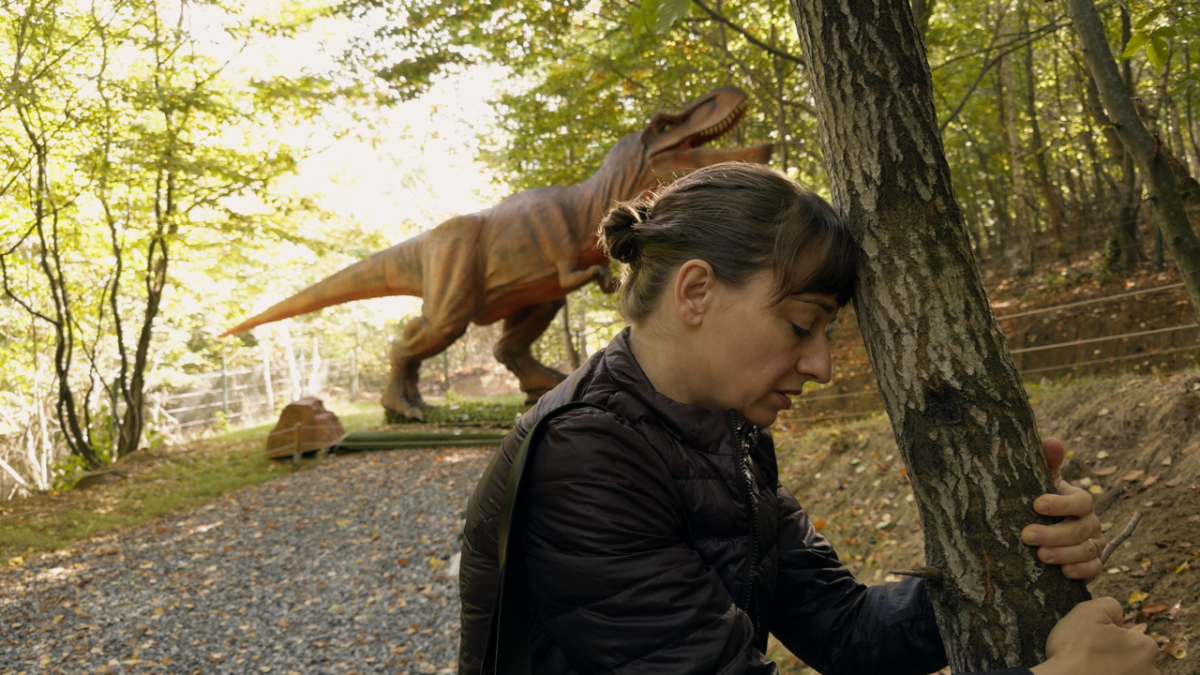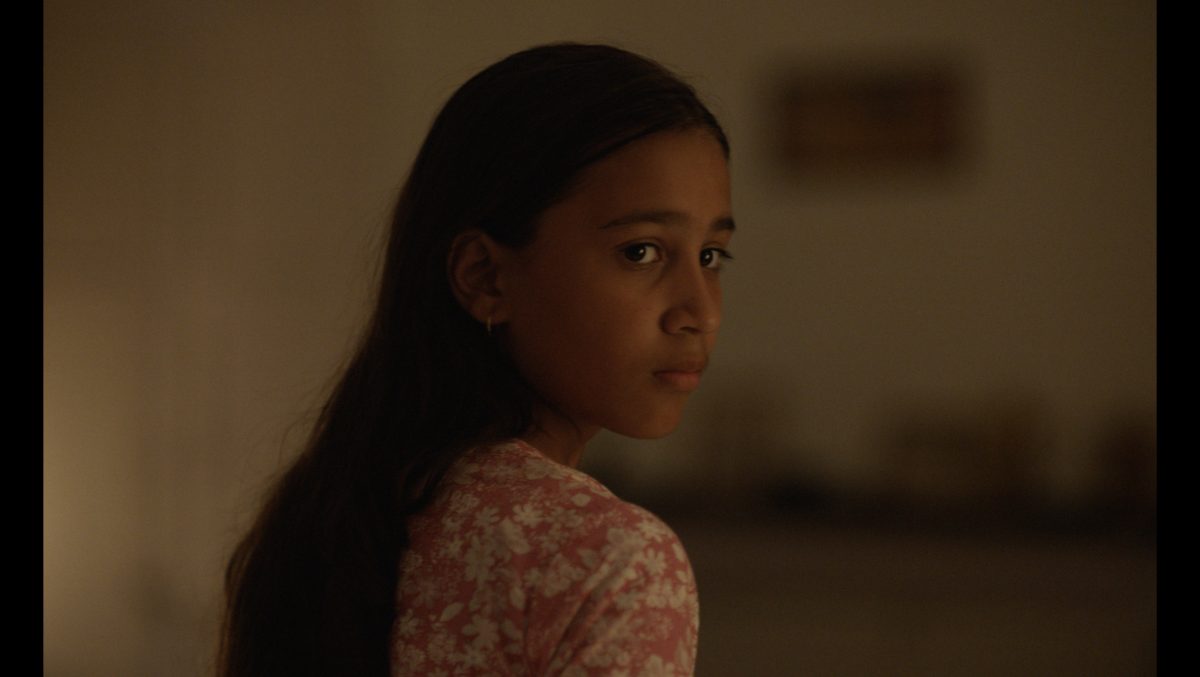

Mayumi Yoshida’s Akashi (2025) follows a Vancouver-based woman’s journey to her ancestral home in Japan. She got there nearly a decade after she left to pursue her dreams. The return feels not only like a homecoming, but also an opportunity to rediscover parts of her past, including her unrequited feelings for her old lover. That’s why the film falls in the vein of Celine Song’s “Past Lives,” as it tries to capture the essence of that lingering desire, which carries a certain nostalgic charm but also a bittersweet undertone. No matter how hard you try to hold on to that lost magic, it may always be just out of reach.
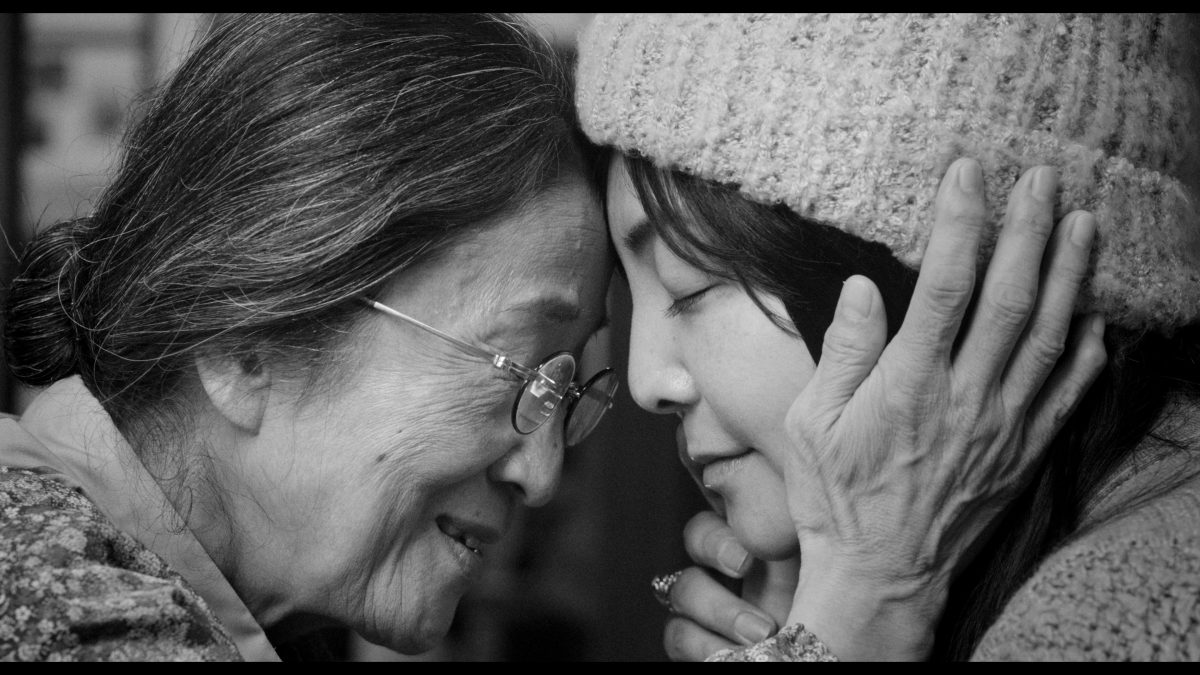
Yoshida attempts to capture a similar bittersweet tone in this film, which she wrote and directed, drawing on experiences from her own life. She also plays the heroine, Kana, who arrives in Japan to attend the funeral of her grandmother (Hana Kino). Years ago, her grandmother told her a family secret that radically changed her view of their marriage and the institution in general. However, years later, upon her return, she finds herself in the same trap, where she is expected to be married and have children. It’s as if the world has moved forward and allowed women more independence. But only in theory, as practices are still steeped in ancient misogyny.
Kana finds herself in a multi-generational gathering, where the older generation does not hold back in criticizing her personal or professional prospects, but rarely values them. This does not necessarily raise dramatic stakes in Yoshida’s film, nor does it become the core of his narrative. These cultural details often appear simply as notes to give us an idea of the place. Yoshida also includes some everyday excerpts, almost like pillow shots from Ozu films, to set an overall comforting tone, which gives insight into the emotional distance between Kana and her family, whether because she has spent a long time away from them or because they have held on to certain cultural notions even if she has moved on from them.
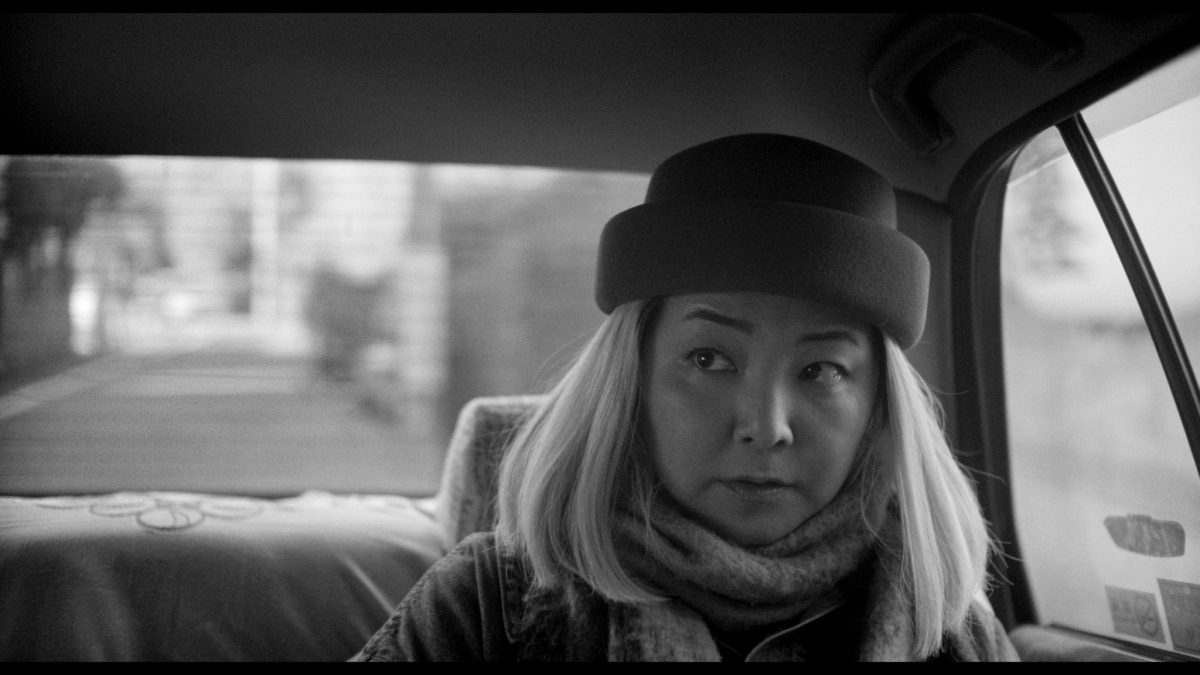
In one way or another, Yoshida’s film seems indebted to Ozu’s style and approach, even if it is not directly inspired by his work. Its cinematographer, Jarrell Lim, shoots much of this film in black and white, keeping the camera still unless movement is absolutely necessary. Although the blocking options are different, they achieve a similar sense of calm, mainly from interior shots with warm light and pillows. Otherwise, the camerawork is strikingly intimate as it captures different stages of romance. The film uses an almost blinding darkness to show two lovers vulnerable and confronting the state of their relationship. Other times, he uses reflections or glowing neon lights to show his distressed lovers, making them look like they were part of a Wong Kar-Wai film.
These stylistic choices turn Yoshida’s film into an intimate affair as a woman tries to find a connection she seems to struggle with while in Canada. Her journey as a racially struggling East Asian artist from a Western country sounds similar to Awkwafina’s character in Lulu Wang’s The Farewell. Even here, we see the heroine traveling to her ancestral place for a family emergency. However, it functions partly as a way to distract herself from her daily artistic struggles, making the journey a search for identity. Unlike Wang’s film, “Akaashi” does not delve into the depths of her grief. Instead, Yoshida focuses on the interconnectedness of these stories based on love and longing.
Yoshida highlights everyday misogyny while noting the impact societal norms have on everyone’s behavior. However, her film is not so much critical as it is emotional. He assesses the nature of romance, past and present, to understand what drives lovers apart and what holds them together in their mutual devotion. Yoshida’s film, although filtered through a personal lens, leads one to wonder whether we have complicated things beyond a certain point, where intimacy or emotional warmth has become elusive, compared to the past, where love persisted despite the passage of a long time or a long distance.
There is another side to this romantic idea, in that autonomy was not within the reach of women in the past. However, Yoshida’s film is not limited to these dualities. In fact, its premise is based on Kanna’s grandmother challenging her expectations about her arranged marriage. The film shines, not through these ideas, but through Yoshida’s gentle guidance in some moments of everyday life, when people are just sharing a moment together. It happens in simple moments, like when her father waits for her to fall asleep by silently watching television, so he can share a moment or two with her once she gets home — or when her old lover talks about his volatile emotional state in the cold of the night, perhaps because that’s the only time he feels most comfortable doing so.
Despite those occasional moments of emotional heaviness, Akashi leaves you wanting more. He rarely rises above his premise and often reveals much of what he wants to say through a set of expository dialogue. So, the in-between moments often feel dry and hollow, leaving the film far from the depth it could have achieved.